



Link juice represents the authority and ranking power that flows from one webpage to another through hyperlinks. When a high-authority website links to your site, it passes valuable SEO credibility that can boost your search engine rankings. The best way to get free link juice is by creating high-quality content that naturally attracts backlinks from authoritative websites, combined with strategic internal linking and guest blogging opportunities. Understanding how to leverage this concept can significantly improve your visibility on Google and other search engines without spending money on paid link schemes.


Search engines use links as signals of trust and relevance when determining where your pages should rank. The amount of link juice transferred depends on the linking page’s authority, topical relevance, and how the link is structured. Not all backlinks carry equal weight, which is why focusing on quality over quantity matters for your SEO strategy.
You can acquire free link juice through several proven methods that align with search engine optimization best practices. By implementing the right tactics and avoiding common mistakes, you’ll build sustainable authority that compounds over time and pushes your website higher in search results.
Key Takeaways
- Link juice is the authority passed through links that helps improve your search engine rankings
- High-quality backlinks from authoritative websites provide the most valuable link juice for SEO
- Strategic internal linking and creating shareable content are effective free methods to maximize link juice flow
Understanding Link Juice and Its Importance
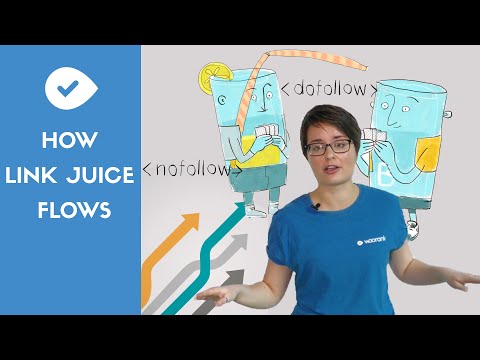
Link juice represents the SEO value that flows from one webpage to another through hyperlinks, directly influencing how search engines like Google evaluate and rank your content. This transfer of authority remains a fundamental ranking signal that affects your visibility in SERPs.
Definition and Core Concepts
Link juice refers to the ranking power or authority that passes from one page to another through hyperlinks. When an authoritative website links to your content, it transfers a portion of its credibility and SEO value to your page. This concept originated from Google’s PageRank algorithm, which calculated a site’s importance based primarily on its backlink profile.
The value transferred depends on several specific factors. The linking page’s domain authority (DA), page authority (PA), and domain rating (DR) all determine how much equity flows through the link. A link from a high-authority page passes more value than one from a newer or less established site.
Search engines use this transferred authority as a trust signal. They interpret links from reputable sources as endorsements of your content’s quality and relevance. The more high-quality links pointing to your pages, the stronger the signal you send to Google about your site’s credibility and usefulness to users.
Link Equity vs. Link Juice
Link equity and link juice describe the same concept, though the terminology has evolved over time. Link equity is the formal term that SEO professionals and search engines use to describe the value passed through hyperlinks. Link juice is the colloquial expression that gained popularity in the early days of SEO.
Both terms refer to the measurable ranking power that flows between pages. When you build links or optimize your internal linking structure, you’re working to maximize link equity distribution across your site. The mechanics remain identical regardless of which term you use.
Understanding this equivalence helps you navigate SEO discussions and documentation. Industry resources may use either term, but they’re referencing the same underlying principle of authority transfer through links.
Role in Search Engine Rankings
Link equity functions as one of Google’s core ranking factors in 2026. While PageRank is no longer the sole determinant of rankings, the authority passed through links still significantly impacts where your pages appear in search results.
Search engines evaluate multiple characteristics of each link to determine its value:
- Source authority: Links from established authority pages carry more weight
- Topical relevance: Links from pages covering similar subjects pass more targeted value
- Link placement: Links within main content outperform footer or sidebar links
- Follow status: Dofollow links pass equity, while nofollow links generally don’t
- HTTP status: Pages returning 200 status codes or 301 redirects maintain link equity
Your position in SERPs depends partly on the quantity and quality of link equity your pages accumulate. Pages with strong backlink profiles from relevant, authoritative sources typically rank higher than those without such endorsements. This makes acquiring quality links essential for improving your search visibility and driving organic traffic to your site.
Key Factors That Influence the Flow of Link Juice

The amount of link equity that transfers from one page to another depends on specific, measurable characteristics of both the linking page and the link itself. Authority of the linking page, the number of competing outbound links, where the link appears on the page, and the anchor text you use all directly control how much value flows.
Authority of Linking Pages
Domain authority and page authority determine the baseline strength of any link you receive. A link from a high-authority domain passes substantially more link equity than one from a newly registered site with minimal backlink profile.
Page-level authority matters just as much as domain-level metrics. A homepage with thousands of inbound links carries more weight than an obscure internal page on the same domain. This means a link from a well-established blog post can outperform a link from the footer of a higher-authority site.
The 2024 Google API leak confirmed that PageRank variants remain active ranking signals. This validates what link builders have observed: authority metrics directly correlate with ranking improvements. When evaluating link opportunities, check both domain-level scores (Domain Rating, Domain Authority) and page-level metrics to understand the true value of the link equity you’ll receive.
Number and Quality of Outbound Links
A linking page divides its total authority among all outbound links it contains. If a page links to three destinations, each receives roughly 33% of the available link juice. If that same page links to twenty destinations, each receives only 5%.
This dilution effect applies to both external links and internal links on the linking page. A focused article with five contextual links passes significantly more equity per link than a resource page with fifty links in the sidebar and footer.
Dofollow links pass link equity to the destination. Nofollow links do not pass equity, but they still count toward the total number of outbound links when the page’s authority gets divided. Using nofollow on some links does not concentrate extra juice to the remaining dofollow links—it wastes the share that would have gone to the nofollowed destinations.
This is why links from focused, relevant content consistently outperform links from crowded link directories or blogrolls.
Placement and Relevance of Links
Link placement on the page affects authority flow. Links within the main content area pass more link equity than links in navigation menus, sidebars, or footers. Within body content, links positioned earlier in the article tend to carry more weight than those near the bottom.
Contextual links embedded naturally within relevant paragraphs provide the strongest signals. They pass both authority and topical context to your destination page.
Topical relevance amplifies the value of any link. A link from a fitness blog to a nutrition site carries stronger relevance signals than the same domain linking to an unrelated financial services page. Google’s algorithm increasingly weights these topical relationships when determining how much authority flows and how that authority affects rankings.
The closer the subject matter alignment between linking and destination pages, the more effective the link equity transfer becomes for ranking improvements.
Anchor Text and Its Role
Anchor text serves two functions: it passes topical context signals to search engines and helps users understand the destination content. Relevant anchor text that describes the linked page’s topic strengthens the connection between link equity and rankings for specific keywords.
Descriptive, keyword-rich anchors like “link building strategy guide” provide clearer signals than generic phrases like “click here” or “read more.” Your link profile should include a natural mix of exact-match, partial-match, branded, and generic anchor text to avoid over-optimization patterns.
Repeated exact-match anchors pointing to the same page can trigger spam filters. A varied anchor text distribution across your backlink profile appears more natural and maintains the full value of the link juice flowing to your site.
The anchor text in internal links matters equally. When you control the linking page, you can optimize anchor text to reinforce the topical relevance between pages and guide both traffic and authority flow through your site architecture.
Effective Strategies to Acquire Free Link Juice

Building high-quality backlinks without spending money requires strategic effort focused on content excellence and relationship building. These methods help you earn links naturally while establishing your site as an authority in your niche.
Creating High-Quality Content
Creating exceptional content forms the foundation for earning quality backlinks organically. When you publish comprehensive guides, original research, or unique insights that solve real problems, other websites naturally want to reference your work.
Focus on content types that attract the most inbound links:
- Data-driven research and studies with original statistics
- Comprehensive how-to guides that exceed existing resources
- Visual assets like infographics, charts, and diagrams
- Tools and calculators that provide practical value
- Case studies with measurable results
Your content should fill gaps in existing information rather than repeating what’s already available. When you become the go-to source for specific information, authority pages in your industry will link to you without prompting. This approach generates referral traffic alongside link equity, creating multiple benefits from a single piece of content.
Guest Posting and Outreach
Guest posting on relevant sites in your industry provides opportunities to earn links from authority pages while reaching new audiences. Start by identifying websites that accept contributor content and have audiences aligned with your expertise.
Your outreach should be personalized and value-focused. Research each target site thoroughly and propose topics that genuinely benefit their readers. Generic pitches typically get ignored, while specific proposals showing familiarity with the site’s content earn responses.
Key outreach elements:
- Personalized subject lines referencing recent site content
- Clear explanation of your proposed topic’s value
- Examples of your previous published work
- Specific ideas tailored to their audience
The goal isn’t just securing a link but establishing relationships that lead to ongoing collaboration. When editors see you deliver quality, they’ll approach you for future contributions, creating a sustainable source of relevant links.
Broken Link Building
Broken link building identifies non-functional links on authority pages and offers your content as a replacement. This strategy works because you’re helping site owners fix problems while earning quality backlinks.
Use SEO tools to find broken links on relevant sites in your niche. Look specifically for resource pages, link roundups, and older comprehensive guides where links have likely degraded over time.
When you find a broken link, check what the original page covered. If you have similar content, reach out to the site owner pointing out the broken link and suggesting your page as an alternative. If you don’t have matching content, create it before reaching out.
Your outreach message should be helpful rather than pushy. Point out the specific broken link location, explain briefly why it matters to their readers, and mention your content as one possible solution. Many webmasters appreciate this assistance and will add your link.
Skyscraper Technique and Link Insertions
The skyscraper technique involves finding popular content in your niche and creating something demonstrably better. You then reach out to sites linking to the original content, showing them your superior resource.
Start by identifying content with many backlinks but obvious room for improvement. Your enhanced version should add significant value through updated information, better formatting, additional examples, or more comprehensive coverage.
Improvement opportunities include:
- Updating outdated statistics and examples
- Adding visual elements to text-heavy content
- Expanding coverage of subtopics
- Improving readability and structure
Link insertions target existing content where adding a link to your resource would genuinely improve the reader’s experience. This differs from broken link building because you’re enhancing working content rather than fixing problems. Reach out to authors of relevant articles and explain specifically how your content adds value to their existing piece. This approach works best when your content provides depth on a topic they mentioned briefly.
Maximizing Internal Linking to Distribute Link Juice
Internal links create pathways that distribute link equity throughout your site architecture, directing authority to pages that need it most. Strategic internal linking improves both user experience and page authority across your entire website.
Smart Internal Linking Practices
You should link from high-authority pages to important pages that need ranking boosts. Your homepage and well-established content naturally accumulate the most link equity, making them ideal sources for distributing authority.
Use descriptive anchor text that includes relevant keywords without over-optimization. The anchor text signals to search engines what the linked page covers, helping with topical relevance. Avoid generic phrases like “click here” or “read more.”
Prioritize linking to your most valuable pages rather than spreading links too thin. Each link from a page divides its available equity, so fewer, more intentional links preserve stronger value for each destination. Remove or consolidate irrelevant links that don’t serve user engagement or SEO goals.
Place important internal links within your main content rather than only in sidebars or footers. Search engines give more weight to contextual links embedded in relevant paragraphs.
Content Hubs and Pillar Pages
A pillar page serves as the main authority on a broad topic, linking out to related cluster content that covers specific subtopics in depth. This structure creates clear topical relationships that search engines recognize and reward.
Your pillar page should link to all relevant cluster pages, while each cluster page links back to the pillar. This bidirectional linking pattern strengthens the entire content hub’s authority. The pillar content typically targets high-volume keywords, while cluster pages focus on LSI keywords and long-tail variations.
Build content hubs around your most important business topics. Each hub concentrates link equity within a defined subject area, boosting rankings for related searches. This organized site architecture also improves user experience by making information easier to navigate.
Fixing Orphan Pages
Orphan pages have no internal links pointing to them, making them nearly invisible to both users and search engines. These isolated pages waste potential link juice distribution and rarely rank well.
Audit your site to identify orphan pages using crawling tools or analytics. Once found, integrate them into your internal linking structure by adding contextual links from relevant existing content. If a page serves no purpose and can’t be naturally linked, consider removing it or consolidating its content elsewhere.
Some orphan pages exist because they’re new. Make linking to new content part of your publishing workflow by updating older related posts with links to fresh material.
Avoiding Common Link Juice Pitfalls
Even well-intentioned SEO efforts can backfire when link juice flows to the wrong places or fails to transfer at all. Understanding which link types waste equity and how technical issues block value transfer helps you preserve your site’s ranking power.
Nofollow and Paid Links
Nofollow tags tell search engines to ignore a link for ranking purposes, preventing any link juice transfer. While these links can still drive traffic, they won’t boost your SEO.
You should use nofollow links for paid advertisements, sponsored content, and any links you’ve purchased. Google’s guidelines require nofollow tags on paid links to avoid penalties for link schemes. Failing to mark paid links appropriately can result in manual actions against your site.
Link farms and PBNs (Private Blog Networks) often promise link juice but typically use nofollow tags or get penalized by search engines. These manipulative tactics violate Google’s webmaster guidelines and can harm your rankings. Legitimate sites won’t sell followed links because it violates search engine policies.
Check your external links regularly to ensure you’re not accidentally nofollowing valuable internal links or editorial links from partners.
Low-Quality or Irrelevant Links
Links from irrelevant sources provide minimal value and can signal poor site quality to search engines. A link from a cooking blog to your automotive repair site carries less weight than one from an automotive industry publication.
Low-quality links from spammy directories, comment sections, or sites with thin content offer negligible link juice. Search engines evaluate the authority and trustworthiness of linking domains, so links from unestablished or suspicious sites won’t improve your rankings.
Focus on acquiring links from:
- Sites in your industry or niche
- Authoritative domains with strong backlink profiles
- Pages with relevant content topics
- Trusted sources that search engines value
Avoid participating in link schemes that promise hundreds of backlinks from unrelated sites. Quality beats quantity when building link equity.
Broken and Redirected Links
Broken links pointing to your site waste potential link juice entirely because they resolve to 404 errors. The HTTP status code indicates the page doesn’t exist, so search engines can’t pass any authority.
Monitor your backlink profile for broken external links and contact site owners to update them. Internal broken links also waste equity by creating dead ends in your site structure.
301 redirects preserve link juice when you move or delete pages, but redirect chains diminish the value passed. A single 301 redirect maintains nearly all link equity, but multiple redirects in sequence can reduce the authority transferred.
Avoid using 302 redirects for permanent moves, as some search engines may not pass full link equity through temporary redirects. Ensure redirected pages resolve to 200 OK status codes whenever possible to maximize value retention.
Measuring and Monitoring Link Juice Effectiveness
You need to track specific metrics and use specialized tools to understand how link equity impacts your search engine rankings and overall site performance. Key indicators include domain authority scores, backlink quality metrics, and ranking position changes across search engine results pages.
Analyzing Link Profiles with SEO Tools
Ahrefs, Moz, and SEMrush provide the primary metrics you need to evaluate your link profile. In Ahrefs, you’ll track URL Rating (UR) and Domain Rating (DR), which measure the strength of individual pages and your entire domain. Moz offers Domain Authority (DA) and Page Authority scores on a 100-point scale.
You should examine several factors when analyzing your backlink profile:
- Number of referring domains pointing to your site
- Quality scores of linking domains (DR/DA)
- Organic traffic flowing to linking pages
- Dofollow vs. nofollow ratio in your link profile
- Number of outbound links on pages linking to you
Google Search Console reveals which external sites link to yours and which pages receive the most backlinks. This data helps you identify your strongest link-earning content.
Check your competitors’ backlink profiles using these same tools to find link opportunities you’re missing. Look for sites linking to multiple competitors but not to you.
Tracking SEO Value and Rankings
Your search engine ranking positions directly reflect link juice effectiveness. Track your target keywords’ positions in search engine results pages weekly or monthly to spot trends.
Google Search Console shows organic impressions, clicks, and average position for each page. Compare this data against your link acquisition timeline to correlate new backlinks with ranking improvements.
Monitor these specific ranking factors:
| Metric | What It Tells You | Tool |
|---|---|---|
| Organic traffic growth | Overall SEO impact | Google Analytics |
| Keyword rankings | Position changes | SEMrush, Ahrefs |
| Click-through rates | SERP visibility | Google Search Console |
| AI visibility | AI-powered search presence | Specialized AI search trackers |
Set up automated reports in your chosen SEO tool to track DR or DA changes monthly. Increases in these scores indicate accumulating link equity across your domain.
Optimizing Anchor Text Distribution
Your anchor text profile significantly affects how search engines interpret the relevance and topic focus of your pages. A natural anchor text distribution includes branded terms, naked URLs, generic phrases, and exact-match keywords.
Review your anchor texts using Ahrefs’ “Anchors” report or similar features in Moz and SEMrush. An over-optimized profile with too many exact-match anchor texts appears manipulative to search engines.
Aim for this approximate distribution:
- 40-50% branded or URL anchors
- 25-30% generic phrases (“click here,” “read more”)
- 15-25% partial-match keywords
- 5-10% exact-match target keywords
Diversify your anchor text naturally through outreach and content creation. When you control the anchor text (internal links or guest posts), vary your choices to maintain a natural-looking profile. Monitor changes to ensure you’re not developing patterns that might trigger algorithmic penalties.
Developing a Sustainable Link Juice Strategy
A sustainable approach to link juice requires balancing technical infrastructure with content excellence and natural growth patterns. Success depends on aligning your technical SEO foundation with brand-building efforts that generate editorial links over time.
Combining Technical and Content SEO
Your technical SEO foundation determines how effectively link juice flows through your site. Start by auditing your site architecture to eliminate redirect chains, fix 404 errors, and ensure all important pages are crawlable. Internal linking structure matters significantly—implement a pillar and cluster model where comprehensive topic pages link to supporting content and vice versa.
Page speed and mobile responsiveness directly impact how search engines evaluate your ability to utilize link equity. Use descriptive anchor text in internal links rather than generic phrases like “click here.” Remove any accidental nofollow attributes on internal links that block equity flow.
Your content must justify the technical work. Create linkable assets such as original research, comprehensive guides, or free tools that naturally attract followed links. Each piece should target specific keywords while providing genuine value that authoritative sites want to reference.
Building Brand Awareness through Authority Links
Authority links from established domains signal trust and relevance to search engines. Focus on digital PR strategies that position your expertise in front of journalists and editors at industry publications. Pitch newsworthy data or insights that warrant editorial coverage rather than requesting links directly.
Guest contributions on authoritative sites build both brand awareness and link equity when done ethically. Choose platforms where your target audience already engages. Co-marketing partnerships with complementary brands create opportunities for mutual linking within high-quality content.
Monitor unlinked brand mentions across the web and reach out to convert them into hyperlinks. This link reclamation tactic leverages existing brand awareness to increase link juice without creating new content.
Maintaining Natural Link Growth
Natural link growth follows a consistent, gradual pattern rather than sudden spikes that trigger algorithmic scrutiny. Diversify your link sources across different types of domains, avoiding over-reliance on any single type of link or referring domain.
Balance your link profile with a mix of dofollow and nofollow links. While followed links pass equity, a natural profile includes user-generated content links, social signals, and rel="nofollow" citations that demonstrate authentic engagement.
Track your ranking strategy progress monthly rather than daily. Document which linkable assets generate the most editorial links and double down on similar content formats. Avoid any paid link schemes or private blog networks that promise quick results but violate search engine guidelines.
Frequently Asked Questions
Link juice remains one of the most misunderstood concepts in SEO, leading to questions about how it works and how to earn it ethically. The answers below clarify what link equity means, how to build it naturally, and how to measure its impact on your site.
What does “link juice” mean in SEO?
Link juice, formally known as link equity, refers to the ranking power that passes from one page to another through hyperlinks. When an authoritative website links to your content, it transfers some of its trust and authority to your page. Search engines interpret these links as votes of confidence.
The amount of equity passed depends on several factors. Domain authority, topical relevance, link placement, and the total number of outbound links on the linking page all influence how much value transfers. Links from highly authoritative sites in your niche pass more equity than links from new or unrelated sites.
Not all links carry the same weight. A link in the main body content carries more value than one buried in a footer or sidebar. Links marked with a “nofollow” attribute tell search engines not to pass equity, though they may still drive traffic.
How can you earn high-quality backlinks without paying for them?
Guest posting on authoritative sites in your industry provides one of the most reliable ways to earn quality backlinks. You create valuable content for another site’s audience, and in return, you receive a link back to your site.
Broken link building offers another effective approach. You find broken links on authoritative websites, then contact the site owner suggesting your relevant content as a replacement. This helps them fix their site while earning you a backlink.
Creating linkable assets naturally attracts backlinks over time. Original research, comprehensive guides, free tools, and data-driven infographics give other content creators reasons to reference your work. Resource pages also present opportunities when your content fits their list of valuable resources.
Which types of content are most likely to attract natural backlinks?
Original research and data studies consistently attract the most backlinks. When you publish unique statistics or survey results, journalists and bloggers naturally reference your findings as sources.
Comprehensive guides that thoroughly cover a topic become go-to resources in your industry. These pillar articles answer questions more completely than existing content, making them reference-worthy for other writers. Visual content like infographics and interactive tools also generate links because they present information in shareable formats.
Long-form content that provides practical solutions to specific problems tends to accumulate backlinks over time. The content needs to offer genuine value beyond what competitors provide.
What are safe ways to build backlinks without risking a search engine penalty?
Focus exclusively on editorial links earned through content quality and relationship building. Search engines penalize manipulative link schemes, including buying links, participating in excessive link exchanges, and using automated programs to create links.
Building relationships with other site owners in your industry creates natural linking opportunities. When you provide value through comments, social media engagement, and collaboration, links follow organically. Participating meaningfully in online communities related to your niche also positions you as a resource worth linking to.
Always prioritize relevance and user value over pure link acquisition. Links should exist because they genuinely help users, not because you engineered them solely for SEO purposes.
How do internal links affect authority flow across a website?
Internal links distribute link equity from your high-authority pages to other pages on your site. When external sites link to your homepage or popular articles, you can channel some of that authority to newer or less visible pages through strategic internal linking.
The number of outbound links on a page affects how much equity each link passes. Pages with fewer outbound links concentrate more authority into each link, while pages with hundreds of links dilute the equity passed to each destination.
Place your most important internal links within the main content area rather than navigation menus or footers. Search engines give more weight to contextual links that naturally fit within your content. Your site architecture determines how efficiently equity flows, so organize content logically with clear hierarchies.
How can you evaluate whether a backlink is helping or hurting your rankings?
Check the linking site’s authority using SEO tools that measure domain metrics. Links from sites with high authority scores typically provide more value than links from new or low-quality domains.
Examine the linking page’s relevance to your content. A link from a page about a similar topic carries more weight than a link from an unrelated page, regardless of the site’s overall authority. The context surrounding your link matters too—links embedded naturally in relevant content provide more value than those in generic link lists.
Monitor your organic traffic and rankings after acquiring new backlinks. Positive movement in search results for targeted keywords suggests the links benefit your site. If you notice ranking drops after obtaining certain links, those backlinks may come from low-quality or spammy sources that harm your profile.