Someone lands on your profile, reads one line, and makes a snap decision. Follow, click, message, or leave. That is the job your quote is doing.
A strong profile quote earns attention fast, but the better goal is fit. The right line tells the right visitor what kind of person you are, how you think, and whether the rest of your profile is worth their time. That is why the best witty quotes do more than sound clever. They frame your positioning.
I treat profile quotes as a conversion asset, not decoration. A good one adds personality without muddying the offer. It can soften a sales-focused profile, sharpen a vague one, or make a polished brand feel human. The trade-off is real, though. Push too hard toward humor and people remember the joke but miss what you do. Push too hard toward clarity and the profile starts reading like template copy.
The fix is to choose a quote style that matches the job of the profile. A dating profile can carry more flirtation and surprise. A creator bio can afford more voice. A consultant or founder profile usually needs wit that still signals competence. If you need examples for dating-first positioning, BetterDatingAI bio templates show how humor changes based on the kind of response you want.
Your headline, bio, quote, and bio link page work as one system. The same positioning principles that strengthen your LinkedIn profile apply here too. Clarity usually wins. Clarity with a distinct point of view tends to win more.
That is the angle for the rest of this guide. Instead of dumping a list of one-liners, it breaks witty quotes into strategic types, explains the psychology behind each one, and helps you choose, adapt, and test the version that fits your audience.
Table of Contents
- 1. The Self-Deprecating Humor Quote
- 2. The Value Proposition Quote
- 3. The Aspirational Inspirational Quote
- 4. The Industry In-Joke Quote
- 5. The Playful Contradiction Quote
- 6. The Pop Culture Reference Quote
- 7. The Skill Expertise Flex Quote
- 8. The Humble Bragging Quote
- 9. The Absurdist Surreal Humor Quote
- 10. The Question Rhetorical Quote
- 10 Types of Witty Profile Quotes Compared
- From Quote to Connection Your Action Plan
1. The Self-Deprecating Humor Quote
Someone lands on your profile, scans for three seconds, and decides whether you feel interesting, stiff, charming, or exhausting. A self-deprecating quote helps with that first impression because it signals self-awareness fast. It tells people you can laugh at yourself, which usually makes you easier to trust.
The psychology is simple. Controlled imperfection makes a profile feel more human. It lowers defensiveness, softens self-promotion, and gives strangers an easy way to like you before they know much else about you.
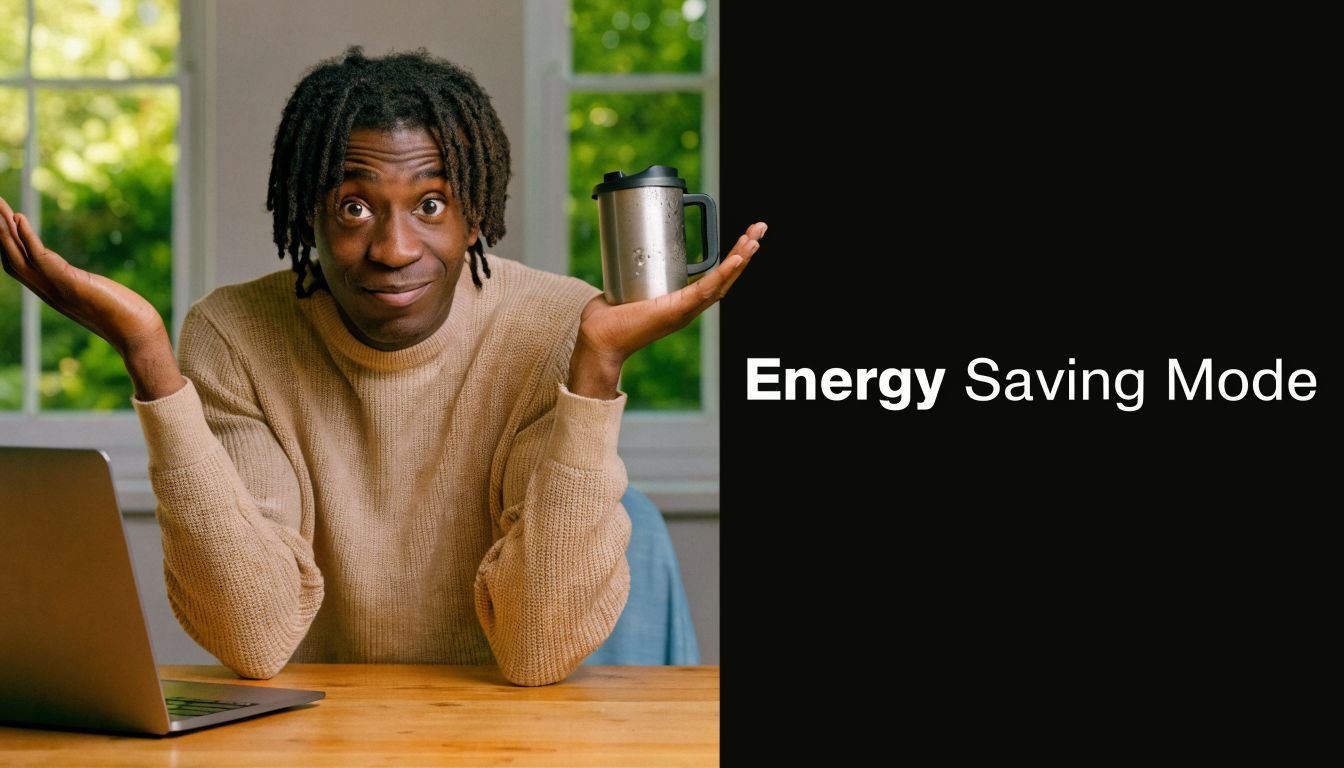
Strong examples stay specific and low-stakes. “I'm not lazy, I'm just on energy-saving mode.” “Professional procrastinator and accidental expert.” “Replying to emails at the speed of emotional recovery.” These lines work because the joke points at a recognizable behavior, not a character flaw.
Use this type when warmth is the goal and your profile depends on personality. It fits creators, solo consultants, dating profiles, meme accounts, lifestyle brands, and anyone whose audience buys into the person as much as the offer. If you want pattern ideas for dating-style humor, these BetterDatingAI bio templates are a useful starting point.
The trade-off matters. A good self-own makes you relatable. A bad one makes you sound flaky, negative, or needy. I usually test this by asking one blunt question: does the joke make people want to message me, hire me, or click away?
Use this when warmth matters more than polish
Keep the joke aimed at habits, quirks, or everyday friction. Avoid jokes about competence, stability, or anything that weakens the main promise of the profile. If you are a coach, “Slightly overcaffeinated, highly organized” helps. “Terrible at replying and worse at planning” hurts.
Practical rule: If the joke makes you seem unreliable, not relatable, cut it.
A weak version says, “Hot mess express.” It is generic and overused. A stronger version says, “Running on coffee, deadlines, and suspicious optimism.” Same self-aware energy. Better detail, better voice, better odds that someone remembers it.
2. The Value Proposition Quote
Someone lands on your profile, scans one line, and decides whether to click. A value proposition quote earns that click by making your usefulness clear in a voice people remember.

Good examples get to the outcome fast. “I turn your chaos into content.” “Making finance make sense, one post at a time.” “Your shortcut to better product photos.” Each line gives the visitor a reason to care before the joke or style has to do any extra work.
Make the benefit obvious
This quote type fits profiles with a job to do. Freelancers use it to filter better leads. Coaches use it to frame the transformation. Creators use it to tell new visitors what they will get from the follow. On a bio link page, it also sets up the click. The reader understands what sits behind the buttons before they choose one.
The trade-off is simple. If you push too hard on cleverness, the offer gets blurry. If you strip out all personality, the line reads like boilerplate. The strongest version usually follows a practical formula: audience + outcome + twist.
Here is the difference in practice:
- Weak quote: “Helping brands grow.”
- Stronger quote: “I help small brands stop posting and start converting.”
- Niche version: “I turn founder brain dumps into posts people finish.”
That last step matters because specificity does two jobs at once. It signals expertise, and it helps the right person recognize themselves.
I usually test value proposition quotes with one question: can a stranger tell what I do, who I do it for, and why it matters in under five seconds? If not, the line needs sharper language.
If you want a quick creative reset, watch this breakdown and audit your own wording against it.
A useful quote leads with utility, then adds charm. That order tends to get better clicks because the wit supports the promise instead of hiding it.
3. The Aspirational Inspirational Quote
Inspirational profile lines usually fail because they're too generic. “Dream big” doesn't say anything. “Be fearless” could belong to anyone. The better version keeps the uplift but adds a twist that sounds lived-in.
Try lines like “I'm not here to fit in. I'm here to stand out, and help you do the same.” Or “Making the impossible just inconvenient.” Or “Collecting wins and lessons in equal measure.” These feel more grounded because they point to a philosophy, not just a mood.
Inspiration needs a point of view
This category suits coaches, authors, founders, educators, and creators who sell progress. Their audience doesn't just want entertainment. They want momentum, reassurance, or identity.
The trick is to avoid greeting-card language. A strong aspirational quote usually combines three things: a belief, a tension, and a hint of outcome. “Making the impossible just inconvenient” works because it suggests grit without sounding preachy. “Collecting wins and lessons in equal measure” works because it leaves room for failure and growth at the same time.
Inspiration lands when it feels earned, not borrowed.
If your profile links to a newsletter, workshop, course, or thought leadership content, this quote style can tee up the right expectation. It tells the reader that your page isn't just a pile of links. It's a point of view with resources attached.
A poor version says, “Success is a journey.” A stronger version says, “Building useful things, one imperfect launch at a time.” That line still inspires, but it also sounds like an actual person behind an actual body of work.
4. The Industry In-Joke Quote
A stranger lands on your profile and sees one line. If that line makes the right person smirk and nod, you have done more than sound funny. You have signaled, "I know this world."
That is the job of the industry in-joke quote. It attracts people who share your context, your frustrations, and your vocabulary. Used well, it creates fast familiarity and a subtle credibility boost.
A marketer might write, “Turning doomscrollers into action-takers.” A developer might go with, “Currently debugging my life like it's legacy code.” A presentation designer might use, “Basically a professional slide deck maker.” These work because they compress a niche truth into plain language.
Use insider language with one door left open
This quote type is a targeting tool. It tells peers, clients, and recruiters what kind of problems you solve without sounding like a resume headline.
The trade-off is clarity. A line that kills on LinkedIn can fall flat on Instagram or a bio link page, where visitors include friends, prospects, and people outside your field. The fix is simple. Keep the reference specific, but make the sentence readable to an interested outsider.
“Fixing attribution before someone blames the creative again” will get a laugh from marketers. “Turning ad confusion into clear reporting” is broader and usually better for client-facing profiles. One signals in-group fluency. The other keeps the same idea but widens the funnel.
That is the framework I use here.
Reference, recognition, readability.
Reference gives the quote its niche hook. Recognition makes insiders feel seen. Readability keeps the line from becoming a private joke with no business value.
If your audience is mostly peers, you can be sharper and more technical. If your profile needs to convert prospects, keep the joke half a step more accessible. The best version usually sounds like something only your field would say, but not something only your team would understand.
5. The Playful Contradiction Quote
Someone lands on your profile, reads one line, and pauses. That pause is the job.
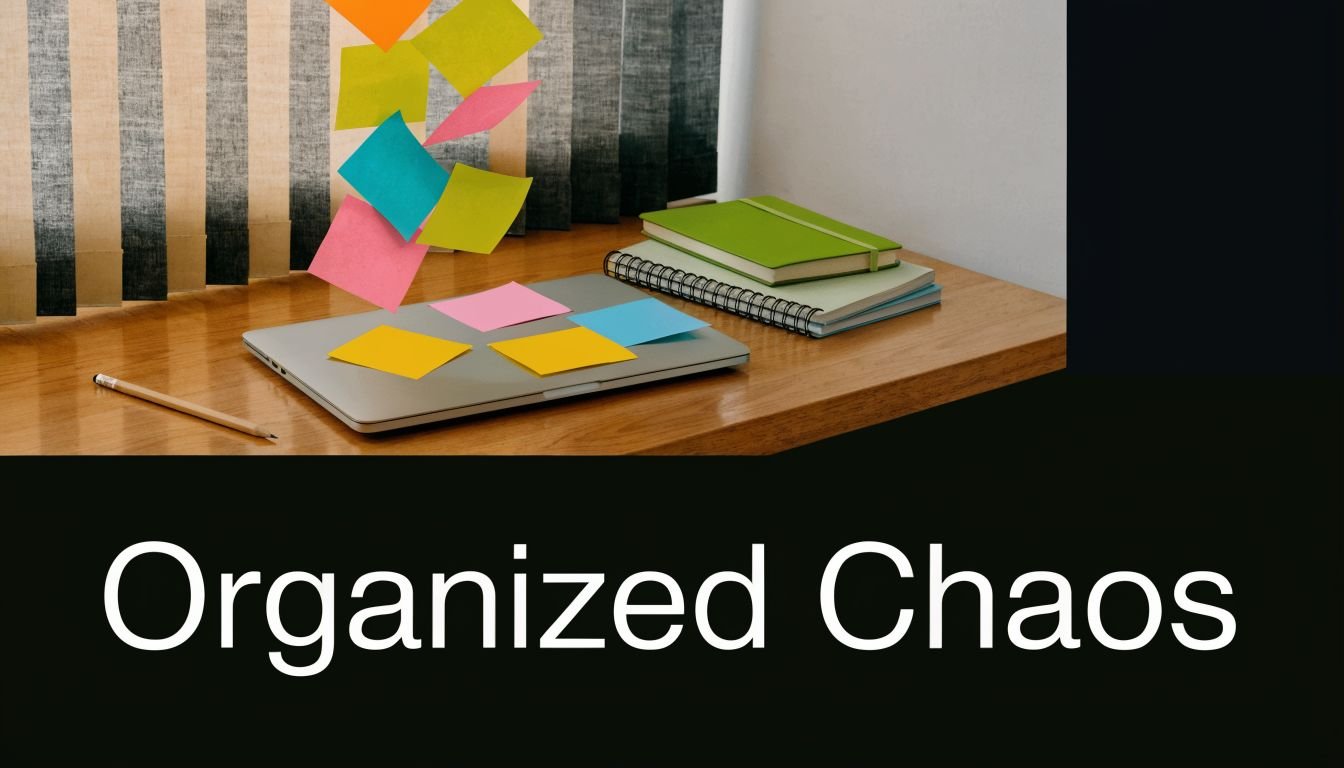
A playful contradiction works because it creates a small mental gap the reader wants to close. “Organized chaos personified” and “Serious about not taking things seriously” both hold two opposing ideas at once. That tension makes the line more memorable than a plain descriptor.
This quote type fits people with layered brands. Creative operators. Founders who balance vision with execution. Freelancers who mix strategy and craft. It also works well on bio link pages because it can spark curiosity without sounding like a slogan.
The trade-off is precision. If the contradiction is sharp, readers get intrigued. If it is vague, readers get confused.
That is the test I use. Does the line reveal a real tension in your work or personality? If yes, keep it. If it only sounds quirky, cut it.
Use contradiction to create curiosity with direction
The quote is the hook. The rest of the profile has to cash it in.
If your line says, “Professional amateur in design systems,” your headline, pinned content, or bio links should clarify the joke fast. Show the systems work. Name the service. Point to a portfolio. Contradiction gets attention, but clarity gets the click.
This style is especially useful when your positioning has two truths that matter at the same time. A consultant can be warm and analytical. A designer can be minimalist and playful. A coach can be calm and demanding. The quote gives readers a fast read on that mix.
Use this framework when writing one:
- Pair two traits that coexist in your brand
- Make one side familiar and one side slightly surprising
- Keep the sentence short enough to scan in a second
- Check that the rest of your profile explains the tension
A few strong examples:
- Good fit: “Minimalist marketer with too many tabs open.”
- Better fit for a coach: “Calm systems for chaotic businesses.”
- Weak fit: “Crazy normal person.” It is generic, low-signal, and gives the reader nothing to work with.
For testing, compare a contradiction quote against a straightforward benefit-led line for a week each. Watch profile clicks, replies, and link taps. If the witty version gets attention but lowers action, tighten the wording or make your next line more explicit. The best playful contradictions do both. They create curiosity and still point toward what you do.
6. The Pop Culture Reference Quote
Someone lands on your profile, sees a line they recognize, and decides in a second whether you feel like their kind of person. That is the job of a pop culture reference quote. It creates fast familiarity.
Used well, this type signals taste, timing, and audience fit all at once. “Living my best prestige-drama era.” “Main character energy, but with a content calendar.” “I have range, and receipts.” The line works because readers bring meaning to it before you explain anything.
The psychology here is simple. Shared references create social closeness. They also reduce processing time. A reader does not need to decode your personality from scratch if the quote points to a known show, song, character, or meme format.
That shortcut comes with a trade-off.
A reference only works if your audience gets it, and if the reference matches the role your profile needs to play. Entertainment creators, culture writers, streamers, lifestyle brands, and personality-led founders can use this style well. A financial planner, lawyer, or enterprise consultant can still use it, but the reference usually needs to be quieter and more durable. Forced relevance reads as trying too hard.
If the joke needs a footnote, it does not belong in a profile.
Choose references with a long half-life. Temporary memes can spike recognition for a week, then make the profile feel dated. Quotes tied to well-known films, recurring TV archetypes, iconic lyrics, or broadly recognized internet culture tend to hold up longer across platforms and age groups.
A simple filter helps:
- Use it if the reference reveals something accurate about your brand voice
- Skip it if readers need niche context to understand the joke
- Rewrite it if the quote gets a laugh but says nothing about what people can expect from your content or offer
The strongest version also matches the destination. If your bio link page leads to playlists, video essays, reviews, or creator content, a pop culture quote sets the mood before the click. If the page leads to consulting offers or lead magnets, the quote should still leave room for credibility underneath. Familiarity gets attention. Relevance keeps it useful.
Examples by fit:
- Creator: “Currently in my season finale arc.”
- Media brand: “Hot takes, cold brew, and strong opinions about finales.”
- Service business with light personality: “Less chaos, more competent side-character energy.”
- Weak fit: “I understood that reference.” It is recognizable, but too generic to say anything specific about the person behind the profile.
Test this type against a non-referential witty line for a week or two. Watch profile follows, link taps, and replies. If engagement rises but clicks stay flat, the reference may be doing social work without business work. Keep the personality, then sharpen the second line so readers know what you do.
7. The Skill Expertise Flex Quote
A visitor lands on your profile, scans for three seconds, and asks one question: can this person help me? A skill expertise flex quote answers that fast, with personality still intact.
This quote type works best when your profile has a job to do. Service providers, consultants, freelancers, and operators often need more than a clever line. They need a short proof of competence that still sounds human.
The strongest version pairs a skill with an outcome. “I fix messy messaging so people finally get what you sell.” “I make complex tech sound clear enough to buy.” “I turn scattered ideas into offers that convert.” Each line signals expertise, but it also tells the reader what improves after working with you.
Lead with the result, not the title
Titles rarely carry enough weight on their own. “Marketing genius,” “design wizard,” and “growth hacker” read like self-labels, not evidence. Specificity does the heavy lifting here.
A stronger flex names the problem, the audience, or the consequence of your work. “I help local service businesses stop losing leads from weak follow-up” says far more than “business growth expert.” Readers can place themselves inside the benefit, and that is what gets clicks, replies, and profile saves.
There is a trade-off. The more polished the flex, the easier it is to sound rehearsed. Keep the line short, concrete, and slightly conversational so it feels earned rather than inflated.
A practical formula helps:
- Skill + friction removed: “I rewrite confusing offers into clear buying decisions.”
- Skill + audience: “I build websites that make small law firms look as credible as they are.”
- Skill + business outcome: “I edit videos that hold attention long enough to sell the next step.”
Use this quote style when authority needs to happen before the click. Then support it with a bio line, proof point, or call to action underneath. The quote gets attention. The rest of the profile closes the trust gap.
8. The Humble Bragging Quote
You land on a profile that says, “Still mildly confused that this became a career.” In one line, you get competence, momentum, and personality. That is why the humble brag works. It frames success in a way that feels human instead of polished to death.
Good examples include “Somehow convinced people to pay me for this,” “Still can't believe this is my job,” and “Living that dream life I definitely didn't plan.” Each one signals progress, but the joke absorbs some of the ego. That lowers reader resistance.
Understatement makes achievement easier to trust
This quote type works best when there is already real proof somewhere else on the profile. A creator with visible brand work, a founder with a clear offer, or a freelancer with client results can use understatement to make success feel approachable. Without that proof, the line can sound vague or try-hard.
The psychology is simple. Readers usually like confidence. They dislike self-congratulation. A humble brag sits in the middle. It shows you have something to show for your work, while also signaling self-awareness.
There is a trade-off here. Push the joke too far and you hide the achievement. Push the achievement too hard and the “humble” part disappears. The sweet spot is a line that hints at traction while keeping the tone light.
A practical way to write one is:
- Achievement + disbelief: “Still surprised the side project became the full-time job.”
- Success + ordinary habit: “Built a business with equal parts curiosity, repetition, and coffee.”
- Longevity + humor: “Turns out posting on the internet for years was a business plan.”
A few rewrites show the difference:
- Too inflated: “Award-winning entrepreneur changing the game.”
- Stronger: “Built a business by following curiosity and a suspicious amount of caffeine.”
- Best for creators: “Turns out posting online for years was a career move.”
Use this style when you want to signal, “I'm doing well, and I still remember what this took.” That tone tends to attract better replies because it creates admiration without distance.
9. The Absurdist Surreal Humor Quote
Someone lands on your profile, scans three polished lines in a row, then hits: “Part human, part Wi-Fi signal, all confusion.” That line gets attention because it breaks pattern fast. Used well, absurdist humor signals creativity, internet fluency, and a willingness to be memorable.
Good examples carry a strange image and a real personality cue at the same time. “I'm 40% water, 30% coffee, 20% regret, and somehow fully functional.” “Fluent in sarcasm, broken English, and meme.” The math is nonsense. The self-description is still clear.
Weird works when it feels chosen
This type fits comedy creators, artists, internet-native brands, experimental writers, and anyone whose content already has a playful streak. It is a weaker choice for lawyers, financial advisors, recruiters handling executive roles, or medical professionals, where clarity and trust need to do more of the work upfront.
The psychology is simple. Surreal phrasing creates surprise, and surprise buys you an extra second of attention. That second matters on crowded platforms. But attention alone is not enough. The reader still needs to infer something useful about your tone, audience, or creative style.
That is the trade-off.
Go too random and the quote reads like noise. Keep one foot in a recognizable truth and it reads like personality. Coffee, overthinking, weak Wi-Fi, browser tabs, niche online language, and low-grade chaos tend to work because people instantly recognize themselves in them.
A practical formula is:
- Ordinary frustration + impossible image: “Running on iced coffee and the false hope of 17 open tabs.”
- Identity + surreal twist: “Brand strategist disguised as a raccoon with a content calendar.”
- Emotion + exaggerated composition: “Made of deadlines, playlists, and suspicious optimism.”
Use this style as a signal, not a stunt. If the quote is bizarre, the rest of the profile should stay clean. Clear links, a sharp profile photo, and a bio that still hints at what you do will keep the humor from looking careless.
The best test is simple. If the line makes the right person smile and still tells them what kind of account this is, keep it. If it gets a laugh but confuses your offer, tone it down.
10. The Question Rhetorical Quote
Someone lands on your profile, scans for two seconds, and hesitates. A well-built rhetorical quote gives them a reason to keep going. It creates tension between the problem they recognize and the answer they hope to find in your bio, link page, or pinned content.
Examples: “Curious what happens when design meets psychology?” “Ever wondered why your content gets views but not clients?” “What if your brand voice isn't the problem, but your positioning is?” Each one does a specific job. It turns passive reading into mental participation.
This type works best when your profile already has a clear next step. Strategists, educators, consultants, analysts, and thought leaders use it well because their audience is often problem-aware but not solution-clear. A strong question meets that exact moment.
The trade-off is simple. Good questions create curiosity. Weak questions sound like recycled motivational copy.
“Ready to level up?” says almost nothing. “Wondering why your audience saves your posts but never books?” points to a real friction point and suggests that the profile contains a useful answer.
That is the true advantage of this format. It pre-qualifies attention. People who feel the problem are more likely to click, read, or inquire. People who do not feel it move on, which is often a better outcome than attracting the wrong audience.
Use one of these patterns:
- Question about a frustration: “Why does your profile get visits but no inquiries?”
- Question about a mismatch: “What happens when expert content meets weak positioning?”
- Question about a hidden cause: “Is your offer strong, but your bio doing none of the selling?”
- Question that invites a test: “Can one sharp sentence make people click? Check below.”
The best rhetorical quotes are specific enough to signal expertise and short enough to scan fast. I usually test them against one filter: does the question expose a problem my ideal visitor already suspects? If yes, it tends to work. If it only sounds clever, it rarely earns the next click.
10 Types of Witty Profile Quotes Compared
| Quote Type | 🔄 Implementation complexity | ⚡ Resource requirements | 📊 Expected outcomes | 💡 Ideal use cases | ⭐ Key advantages |
|---|---|---|---|---|---|
| The Self-Deprecating Humor Quote | Low, one-liner copy; tone-sensitive | Minimal, basic writing + audience test | Increased relatability, higher engagement and trust | Creators, influencers, casual bio links | Builds authenticity; memorable; approachable |
| The Value Proposition Quote | Medium, balance benefit + wit | Moderate, value clarity, testing, alignment | Higher conversions and qualified follows | SaaS, agencies, e‑commerce, service pages | Drives conversions; differentiates; attracts ideal audience |
| The Aspirational/Inspirational Quote | Medium, avoid cliché, stay authentic | Low–moderate, consistent brand voice needed | Emotional connection, shares, brand positioning | Coaches, personal brands, speakers | Builds mission-driven following; boosts organic reach |
| The Industry In-Joke Quote | Medium–High, requires insider knowledge | Moderate, research + peer testing | High-quality engagement but narrower reach | Niche professionals (devs, designers, marketers) | Signals expertise; filters ideal followers |
| The Playful Contradiction Quote | Medium, craft clear paradox | Low–moderate, copy + visual alignment | Curiosity-driven clicks; increased exploration | Creative entrepreneurs, lifestyle brands | Memorable; provokes curiosity; drives clicks |
| The Pop Culture Reference Quote | Low–Medium, timing matters | Low, trend monitoring and updates | High relatability and viral potential; can date fast | Younger creators, entertainment, fashion | Current; highly shareable; culturally relatable |
| The Skill/Expertise Flex Quote | Medium, specific but humble phrasing | Moderate, credentials, metrics, proof points | Higher service inquiries and qualified leads | Freelancers, consultants, specialists | Establishes credibility; drives conversions |
| The Humble Bragging Quote | Medium, fine tonal balance | Low–moderate, authenticity and context | Aspirational engagement if genuine; risk of backlash | Influencers, entrepreneurs, creators | Showcases success without alienating audience |
| The Absurdist/Surreal Humor Quote | High, risk of misinterpretation | Moderate, strong creative concept + testing | Extremely memorable; attracts niche creatives; may alienate | Comedy, art, experimental brands | Distinctive; highly shareable; positions as unique |
| The Question/Rhetorical Quote | Low–Medium, craft an intriguing, answerable prompt | Low, writing + link/content alignment | Increased comments, dialogue, and bio block exploration | Thought leaders, educators, consultants | Invites conversation; drives deeper engagement |
From Quote to Connection Your Action Plan
The biggest mistake people make with witty quotes for profiles is treating them like decoration. They pick a line that sounds fun, drop it into a bio, and hope it does the work. Sometimes it helps. More often, it creates a tiny burst of personality with no strategic follow-through.
The better approach is to match the quote type to the job your profile needs to do right now. If you need to feel more human, self-deprecating humor can soften the room. If you need to convert strangers into inquiries, a value proposition or skill flex will usually outperform a random joke. If your brand already has momentum and personality, contradiction, pop culture, or absurdist humor can make the profile more memorable without losing clarity.
Start with tone. Ask a direct question: when someone lands on your profile, what should they feel first? Trust, curiosity, admiration, affinity, amusement, or momentum. Your answer narrows the category quickly. A creator trying to build community probably needs warmth. A consultant trying to book calls probably needs competence with a little charm. A lifestyle brand can often push further into playfulness.
Then personalize the structure, not just the wording. “Professional procrastinator” might be funny, but “Professional procrastinator who still ships weekly” is stronger because it fits a creator identity. “I turn chaos into content” gets better when you define the chaos. Founder notes. Voice memos. Product launches. Messy dashboards. The more specific the tension, the more believable the wit.
Next, make the quote earn its placement. If it sits at the top of your Instagram bio, LinkedIn headline area, X profile, or bio link page, the rest of the profile should resolve it. A contradictory line should be followed by clear proof. A question should be followed by answers. A skill flex should lead into booking links, portfolio samples, testimonials, or service pages. The quote creates the opening. The page has to close the loop.
Testing matters, but it doesn't need to be complicated. Run one quote style for a while, then swap in another that changes the angle, not just a few words. Compare a humorous opener against a value-led opener. Compare a rhetorical question against a humble brag. Watch what kind of conversations, clicks, and follows each one seems to attract. Don't only ask which line gets attention. Ask whether it attracts the right attention.
A good profile quote sounds effortless, but the strong ones are usually built with intention. They know the audience, the platform, and the next action. That's why the best witty quotes for profiles don't just get remembered. They move people.
If you want your quote to do more than sit there, build it into a page that can convert attention. Bio Links Page Builder gives you one clean place to feature your best opener, organize your links, add videos, products, galleries, and contact options, and shape a mobile-first page that feels like your brand instead of a generic link list. It's a practical next step for creators, freelancers, agencies, and small businesses that want one sharper profile experience across every platform.